
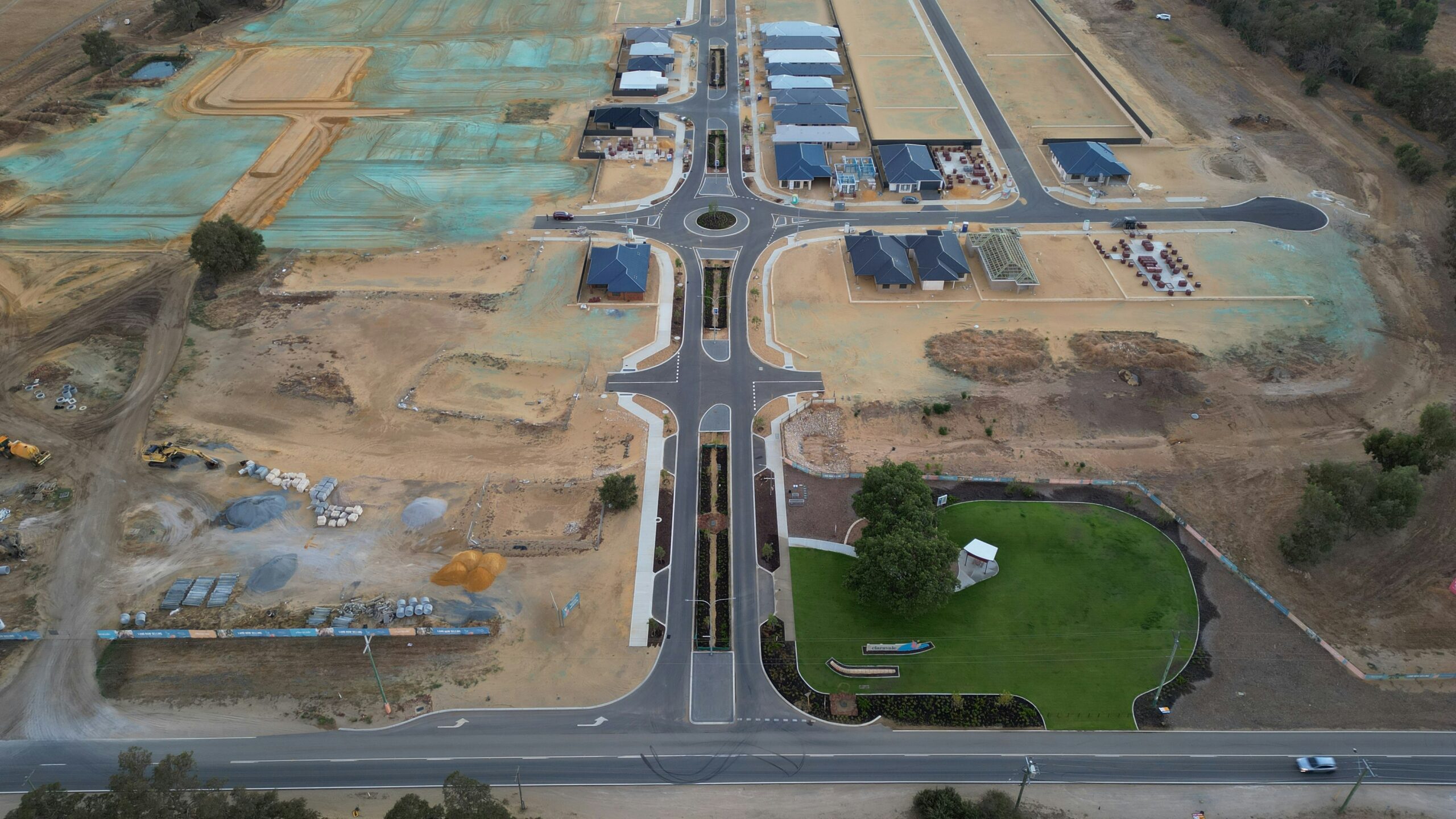
Fully entitled land sits in a very different risk category from raw or speculative land, but it is not automatically treated like vertical construction collateral. The financing case depends on exactly what has been approved, what remains to be completed and how close the project is to a credible construction start.
“Fully Entitled” Must Be Documented
A lender will want to understand the precise status of zoning, density, site plan approvals, platting, utility approvals, access, environmental matters and any development agreement or municipal obligations. The phrase “fully entitled” should match the actual record.
If administrative steps remain, they should be disclosed and quantified. A project can still be financeable with limited remaining items, but the lender needs a clear list of what is outstanding, the cost to complete it and the expected timing.
Value Alone Does Not Determine Loan Proceeds
Land sponsors often focus on appraised value. Lenders also focus on cost basis, acquisition history, existing liens, current payoff amounts and the sponsor’s cash investment. If the land has appreciated substantially through entitlement work, the appraisal can support the financing request, but the lender may still cap leverage based on basis or its own view of liquidation risk.
A clean reconciliation between historical basis, current debt and requested loan proceeds is therefore essential.
Show the Remaining Uses Clearly
A land loan is easier to underwrite when the new money has a defined purpose. Uses may include retiring existing debt, funding final engineering or municipal obligations, carrying taxes and interest, completing horizontal improvements or bridging the project to a vertical construction closing.
Large “miscellaneous” or unexplained cash-out requests weaken the presentation. A lender wants to see how the refinancing improves the project’s position and creates a realistic path to the next capital event.
The Vertical Financing Plan Matters
The strongest entitled-land financings usually have a visible next step: a construction loan process, an equity raise, a joint venture, a phased development plan, a parcel sale or another defined exit. The lender does not necessarily need the vertical financing committed on day one, but the path should be credible.
For large master-planned projects, phasing can be particularly important. A lender may evaluate which parcels or improvements create value first and whether partial releases can generate repayment without impairing the remaining collateral.
What Strengthens an Entitled-Land Financing Request?
- Current entitlement and approval documentation.
- A recent appraisal with assumptions that match current project status.
- A reconciled debt and payoff schedule.
- A detailed remaining predevelopment budget.
- Evidence of infrastructure, utility and access rights.
- Clear sponsor ownership and capitalization.
- A credible vertical-construction or parcel-sale strategy.
- Realistic requested leverage relative to both value and basis.
Fully entitled land can support meaningful financing when the approvals, value creation and next development phase are presented clearly. E3 Capital Funding reviews land and development transactions nationwide and can evaluate the financing structure before the request moves into formal underwriting.
Leave a Reply